HRV Maintenance — Canada
Keeping Your Home's Air Clean Through Winter
Heat Recovery Ventilators require consistent upkeep to function at rated efficiency. This site covers the practical side: when to change filters, how to clear ducts, and how to balance airflow across a house that drops to -30°C outside.

Articles
Maintenance Guides
Three in-depth articles covering the most common maintenance tasks for residential HRV systems in Canada.
HRV Filter Maintenance Schedule for Canadian Homes
A seasonal breakdown of when and how to clean or replace HRV filters, with adjustments for high-humidity winters and homes with pets.

How to Clean HRV Ducts in a Cold Climate
Step-by-step duct cleaning for HRV systems in Canadian homes, including condensation management and frost prevention in below-freezing conditions.
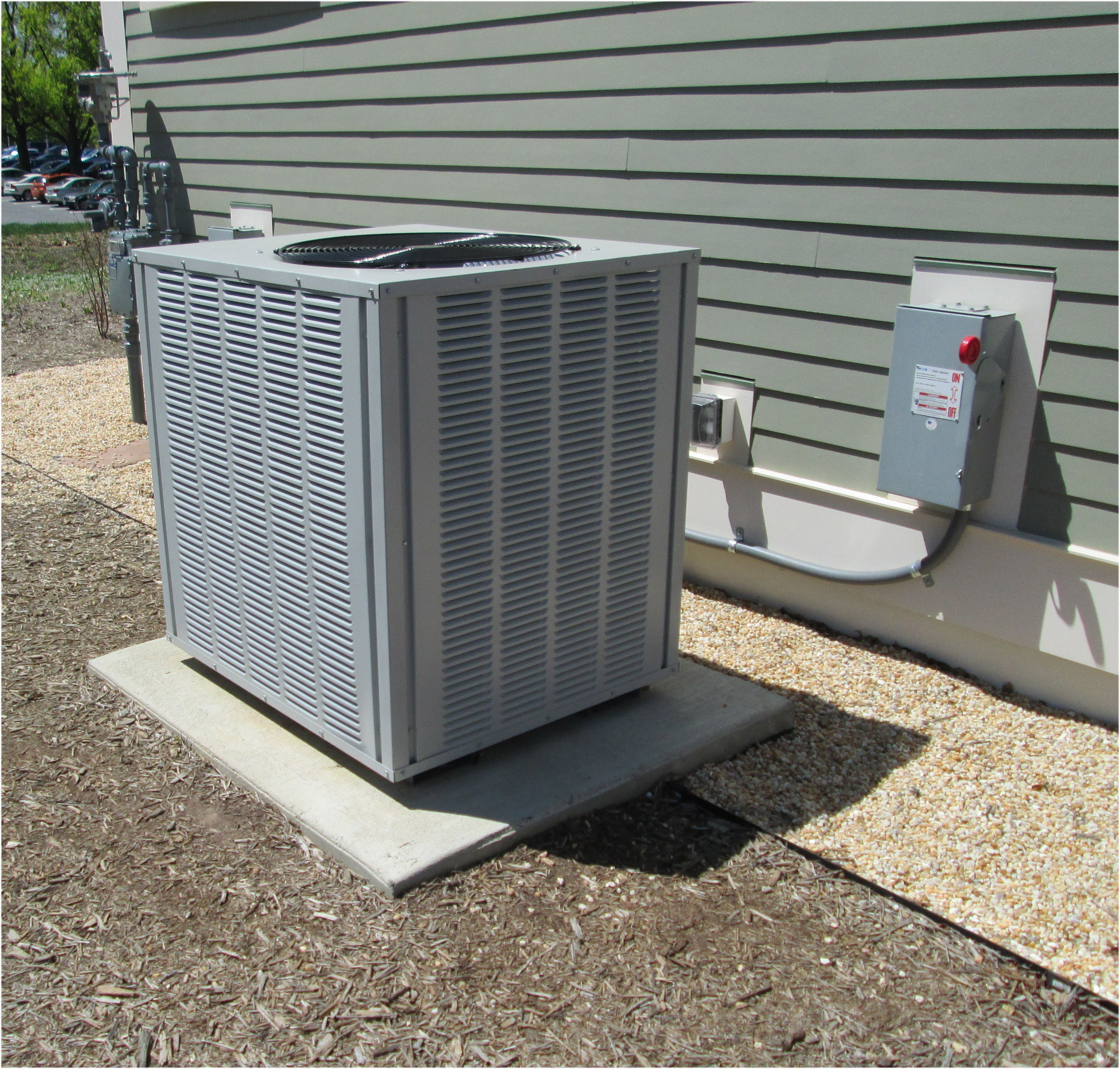
Balancing HRV Airflow for Energy Efficiency
How to measure and adjust supply and exhaust flow rates to keep your HRV operating in balance, reducing energy waste and pressure imbalances.
Why It Matters
HRV Performance in Cold Climates
Canadian winters put HRV systems under conditions not found in milder regions. Low temperatures affect both the heat exchanger core and the filters, making scheduled maintenance more critical than in warmer climates.
Well-maintained HRV units recover between 60% and 95% of outgoing heat energy. Clogged filters reduce this range considerably.
In Canadian homes, particularly those with pets or high occupancy, filter checks every three months during heating season are common practice.
Many HRV models used in Canada are designed to operate down to −40°C, but require properly calibrated defrost cycles to avoid core freeze-up.
Send a Question
If you have a question about HRV maintenance or a specific installation situation, use the form below. Responses are not guaranteed, but common questions may inform future articles.